

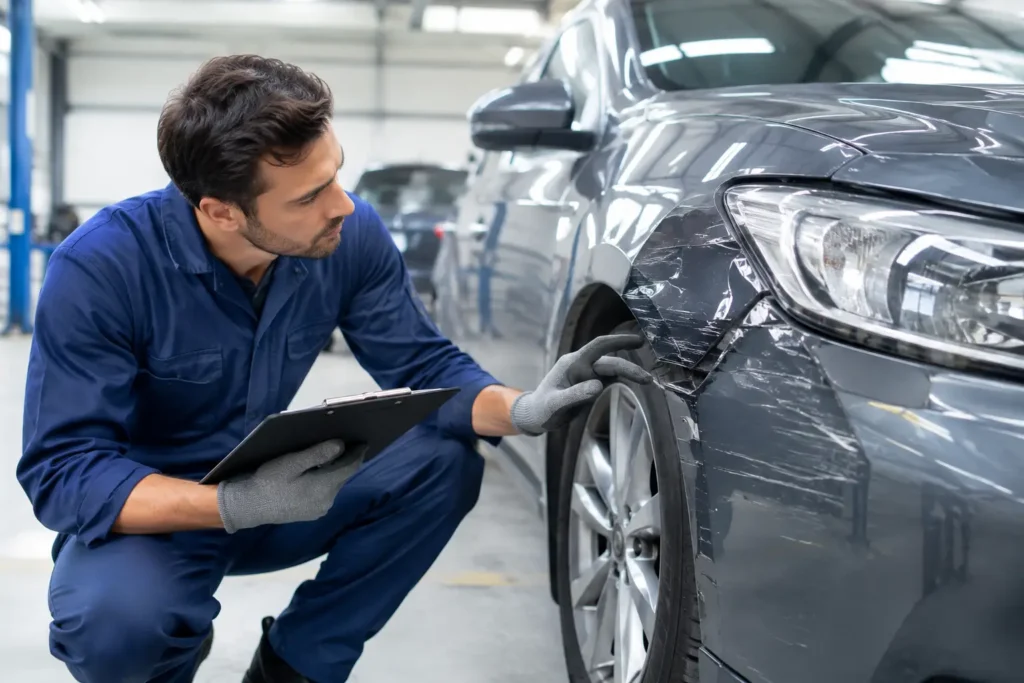
A dented bumper or scratched door can look like a simple repair until the car comes back with mismatched paint, uneven panel gaps, or a warning light that was not there before. Choosing reliable auto bodywork is about more than making damage less visible. It is about protecting your vehicle’s value, safety, finish, and long-term condition.
For Dubai drivers, the decision can feel urgent. You may need your car for work, school runs, or daily travel across the city, and you do not want it sitting in a workshop longer than necessary. The right body shop combines skilled repair work with honest guidance, clear pricing, and updates that keep you informed from inspection to handover.
What Reliable Auto Bodywork Should Actually Include
Good bodywork begins before sanding, painting, or replacing a panel. A proper inspection should identify damage behind the visible impact area, including bent brackets, damaged sensors, broken clips, wheel alignment concerns, or electrical faults. This matters especially on newer German and American vehicles, where bumpers, mirrors, headlights, and grilles often contain cameras, radar sensors, wiring, and other technology.
A workshop should explain whether a damaged part can be repaired safely or whether replacement is the better option. Repairing a small dent may be sensible and cost-effective. Trying to reshape a severely creased panel or damaged bumper reinforcement simply to offer the lowest initial price may create bigger problems later.
Reliable work also means correct preparation. Paint is only as good as the surface beneath it. Panels need proper straightening, filling where appropriate, sanding, priming, and curing before the final color and clear coat are applied. Rushed preparation can lead to paint texture differences, peeling, visible repair lines, or uneven reflections in sunlight.
How to Assess a Body Shop Before You Commit
Start with the questions the workshop is willing to answer. A dependable team will not hide behind vague phrases such as “we will see once we start.” Some hidden damage is genuinely impossible to confirm until trim or panels are removed, but you should still receive a clear initial assessment and an explanation of what could affect the estimate.
Ask how the workshop plans to repair the damage, whether parts will be repaired or replaced, and whether the estimate includes paint, clips, trims, sensor checks, and labor. You do not need technical knowledge to ask for a straightforward breakdown. In fact, a good workshop should make the process easy to understand without talking down to you.
Look closely at communication. You should know who is handling your vehicle, what stage the repair has reached, and whether the completion date changes. Fast turnaround matters, but a shop that promises an unrealistic deadline and then goes silent is not providing a reliable service. Quality Service. Honest Pricing. Fast Turnaround. All three should work together.
Review proof is useful, but read beyond the star rating. Look for comments about paint quality, repair durability, accurate estimates, updates, and how the workshop handled an unexpected issue. A customer who returns for servicing after bodywork is often a stronger sign of trust than a review that only mentions a low price.
Inspect the Workshop Standards
You can learn a great deal from the condition of the facility. A busy workshop is not automatically a bad sign, but vehicles should still be organized and protected. Ask where cars are stored, how parts are labeled, and whether paintwork is kept away from dust and heavy repair activity.
The equipment and staff experience should match your vehicle. A shop that works on a wide range of cars can be a good choice, provided it has the diagnostic capability and technical knowledge for your make. This is particularly relevant after collision damage, when warning lights or calibration needs may not be obvious at first glance.
Paint Matching Is Where Quality Becomes Visible
Dubai’s bright sunlight is unforgiving. A color difference that seems minor indoors can stand out immediately in a parking lot. Reliable auto bodywork requires more than finding the paint code on the vehicle label. Age, sun exposure, previous repairs, and the metallic or pearl finish can all change how the original paint appears.
A skilled painter checks the existing finish and may blend paint into adjacent panels when needed for a natural result. Blending can add to the cost, but it is often the difference between a repair that disappears and one that remains noticeable every time you approach the car.
Do not judge paintwork only on the day you collect the vehicle. Walk around the car in daylight if possible. Check the panel from different angles, look for dust marks, runs, rough texture, overspray on trims, and edges that do not sit cleanly. Open doors, the hood, or trunk where relevant and inspect the transitions. A professional repair should look considered in the details, not just acceptable from a distance.
Price Matters, but the Cheapest Quote Can Cost More
It is reasonable to compare estimates. Bodywork prices in Dubai can vary significantly based on the extent of damage, vehicle model, paint type, parts availability, and whether sensors or structural components are involved. The goal is not to choose the highest quote automatically. It is to understand what each quote includes.
A low figure may exclude essential preparation, replacement clips, proper paint blending, or diagnostic checks. Another estimate may appear higher because it accounts for every stage from the start. Ask whether taxes, parts, paint materials, and additional work are included. If the price changes after disassembly, request approval before work continues.
There are times when an economical repair is the right choice. For an older vehicle with minor cosmetic damage, you may prefer a tidy, practical repair rather than a near-factory restoration. For a newer vehicle, a lease return, or a car you intend to sell, higher-standard finishing may be worth the investment. A trustworthy workshop will discuss that trade-off honestly rather than pushing the most expensive option.
Do Not Overlook Safety and Electronics
Body damage is not always cosmetic. A moderate impact can affect headlight mounts, parking sensors, blind-spot systems, airbag sensors, radiator supports, wheel arches, and steering components. Even a curb strike combined with bumper damage can deserve a closer inspection.
Before collection, ask whether any warning lights were checked and whether affected systems were tested after repair. If the bumper, windshield, camera, mirrors, or front-end components were involved, confirm whether recalibration is needed for driver-assistance features. Skipping this step can leave a vehicle looking repaired while some of its safety technology is not functioning as intended.
At HYATTS AUTO CARE, bodywork can be supported by mechanical and electrical diagnostic capability in the same workshop. That can reduce delays when collision damage involves more than dents and paint, while giving you one team to speak with throughout the repair.
Questions Worth Asking Before You Leave Your Car
Before authorizing work, get clear answers on four practical points: what will be repaired or replaced, what the estimate covers, how long the work is expected to take, and how you will be updated if anything changes. Also ask about the workmanship guarantee and what to do if you notice an issue after collection.
When you pick up the vehicle, take a few minutes to inspect it before driving away. Check repaired panels, door operation, lights, parking sensors, interior trims, and the dashboard for warning messages. If something does not look or feel right, raise it immediately. A reliable workshop wants the opportunity to address concerns properly.
The best bodywork does not just make your car look better for a photograph. It gives you confidence when you see it in daylight, drive it on the road, and use it every day. Choose the team that explains the work clearly, respects your budget, and treats the final details as seriously as the first estimate.